My friends over at Bachelors degree Online have helped me out again with this great list of fictional bookworms we readers and writers all love. As a reader, I love knowing that bookworms are well represented out there in in TV and Movie land. As a writer...I want these folks to want to read my books!
Enjoy!
14 Fictional Bookworms We All Looked Up To
![[Mixx]](https://lh3.googleusercontent.com/blogger_img_proxy/AEn0k_vy2yhn4jnfi6w75T0Ge43IyaWM03aT3fCSnTLMOmacrwORFEwsMv_Wn17BPCSZyhvDzvUBHIuCSVNGMAe_MveFnIEPt16ZA6NgmFJ9ojnAVhVUjhVzcny_REeLmbsBeEAGRHJi_ry1CfuvlbzL_IQ=s0-d)
![[Email]](https://lh3.googleusercontent.com/blogger_img_proxy/AEn0k_tspbui76NcwOWIV7letrfsktgQyuLx-qosEWTgvwWQ9Cva-Ic2qkEsbFjofyd6DVvCR-prvhJAAjWQXIhsvi5aCQYqXY4LBunXn-uTNGosDP4Bc7eAzNe4IbEXyVF51xUkeSb9QBui8TipAKDKauc=s0-d)
June 6, 2012
This sentiment might horrify some parenting organizations, but sometimes fictional characters serve as far better role models than real people. If well-executed, they provide audiences of all ages with a personal point of reference from which to learn and — if they’re lucky — grow. Seeing as how reading is fundamental, and an essential component of a well-rounded education, looking up or relating to proud, avowed bookworms never hurts. The following heroes and heroines, despite their obvious blunders and Areas That Need Improving, provide the bibliophiles of the world a point of reference grounding the fantastic into the realistic.
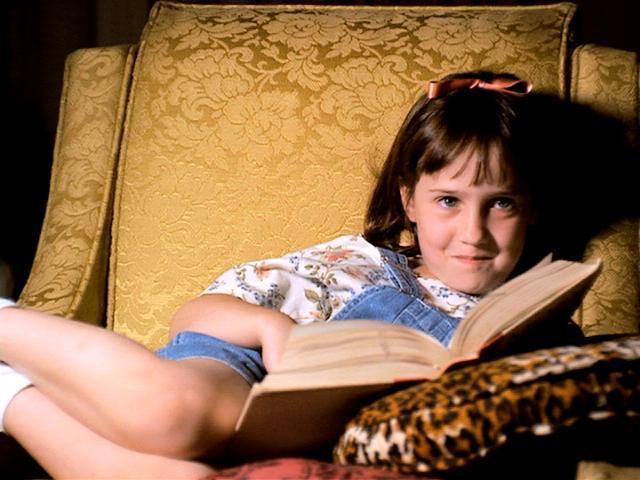
Matilda Wormwood from Matilda:
Roald Dahl’s classic dark comedy follows the quirky narrative of a neglected little girl whose only solace in a family of imbeciles are her covert sojourns to the local library. Sweet little Matilda Wormwood piques the curiosity of her kindly teacher Miss Honey for her boundless intelligence and literary lusts, whose marginalization winds up with one of the most triumphant psychic revenges this side of Carrie. But nobody dies or receives grievous bodily injuries in her hilariously clever defense of bullied students, so the eponymous heroine makes for a perfectly lovely little role model.Belle from Beauty and the Beast:
Many a budding young bibliophiliac girl (and probably a few comfortable boys) just loved themselves some Belle from Disney’s adaptation of an ancient European fairy tale. Stockholm Syndrome and unfortunate lessons in how domestic violence can be cured with true love (pro tip: it can’t) aside, her love of books, learning, and imagination, remains commendable. Even though the townsfolk devote an entire song to how totally freakish it is for a lady to enjoy a life of the mind — and allegedly sexy stalker Gaston tries to lure her away with talks of marriage — she sticks to what works best for her and dismisses their petty little judgments. There are just too many books and too little time to care!Beast from the X-Men series:
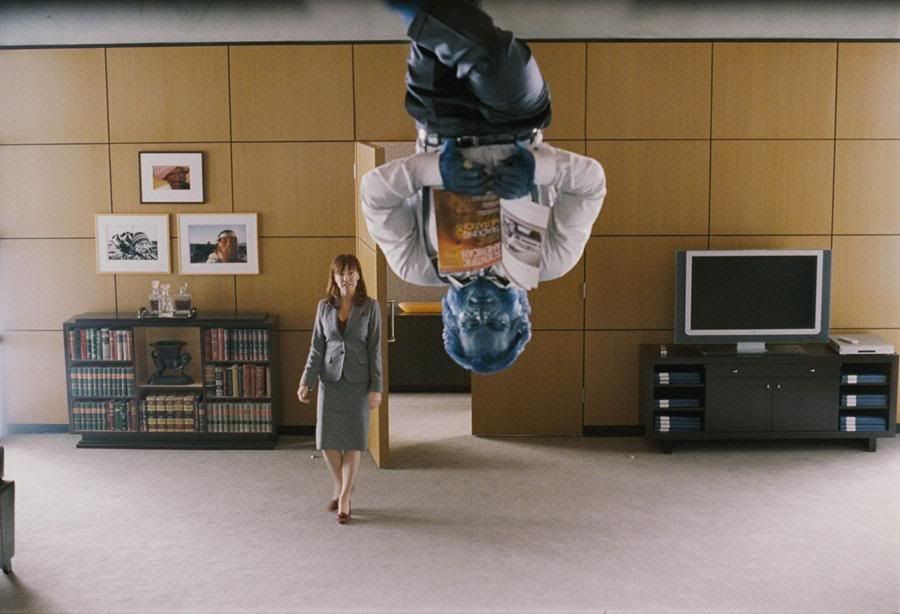
OK, so technically he’s a Secret Avenger now, but shut up, fanboy. Probably the world’s most erudite little fuzzums (or at least the world’s most erudite little blue fuzzums), Hank McCoy sports a, well, beastly appearance proving that it’s stupid to judge one’s intelligence and worth on their externals. Despite living the at-once triumphant and tragic life of a superhero, he considers science and culture the most exciting of all. And all that book learnin’ goes directly toward making the world a more equitable place for his fellow mutants. Or, at least, he tries.Oscar de Leon from The Brief Wondrous Life of Oscar Wao:
The 2008 Pulitzer winner for fiction features a protagonist whose unabashed geekiness and idealism render him more charming than truly pathetic thanks to Junot Diaz’s deft pen. Despite the tragic fate that ultimately befalls him (whatever, it’s spoiled right there in the title), Oscar de Leon’s rabid enthusiasm for science fiction and fantasy is endearingly infectious. Even book-loving readers who quite loathe both genres can likely relate to the wonderfully dizzy emotions surrounding the discovery of brand new tropes and themes ripe for exploration and dissection.Jo March from Little Women:
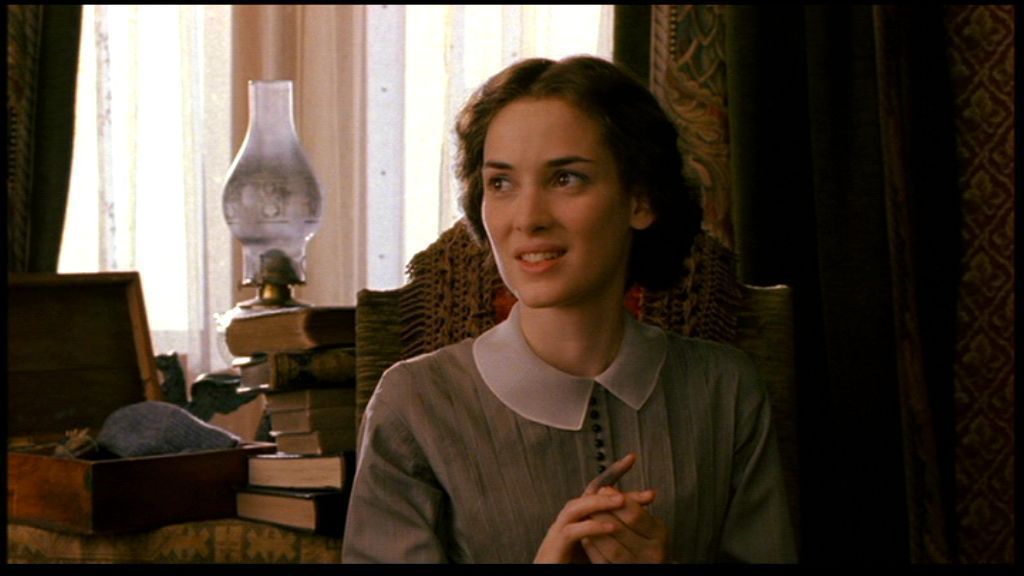
She may have come of age at a time when educated women were considered a lark — even the men in her life refer to her with masculine appellations and pronouns — but social expectations never once doused this fiery, spirited fan favorite. Feminist before feminism was a thing, Jo March (based somewhat on author Louisa May Alcott) challenges social norms with her desire to fight alongside her father during the Civil War. Oh, and she's kind of a giant book dork, too. Jo’s love of literature inspires her to write out plays for her sisters to perform, and she marries a professor who admires her wordy career aspirations, which also include working as an educator.Henry Bemis from the Twilight Zone episode “Time Enough at Last:”
Because, if the world ended, only the most obsessed bibliophile would gleefully write off the apocalypse as the ultimate in catching up on back reading. Obsessed to the point of pathology, in this case. Bumbling Henry Bemis — played by the legendary Burgess Meredith — almost loses his bank teller position at the beginning of one of the most famous Twilight Zone shorts because he just can’t put a good (or, probably even a bad) book down. This addiction ultimately saves his life, though, when he locks himself in a bank vault for quiet reading time and survives a nuke (the 1950s, everyone!), only for, well, it might be an iconic final twist, but we love you too much to ruin it.Yomiko Readman from Read or Die:
Whether one picks up the Read or Die novels, manga, or anime series (nobody can accuse creator Hideyuki Kurata of ignoring multiple media audiences), the woman codenamed “The Paper” universally stays true to the cause of bibliophilia. She loves books so much, she even telepathically manipulates the eponymous substance to do her bidding! That may sound like a totally doofus superpower, but seriously. Ever slice open your index finger on a slice of looseleaf? Imagine that on ALL THE BODY PARTS. And bulletproof. Not so totally doofus now, huh? Anyways, Yomiko Readman works for the British Library as a secret agent snatching up rare and important literary finds from the bad guys. Quite a dream gig for someone who loves the written word more than she does most people!Indiana Jones from the Indiana Jones series:
Seeing as how he works as an archaeology professor when he’s not acting out the fantasies of every adventure enthusiast, it's not an illogical jump to assume Harrison Ford’s iconic action hero enjoys picking up a book or two. Although with all that Nazi-and-Kali-cult smashing Indy’s gotta do, he probably has little time to hang up his fedora and whip, snuggle up next to the fire, and catch up on the ancient history and languages he might not know. He obviously did at some point, though, because all his fun times involve just as much mental as they do physical prowess.Hermione Granger from the Harry Potter series:
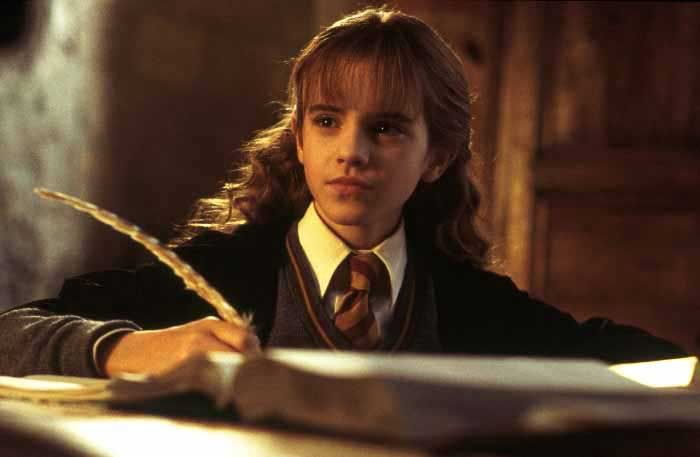
Without super nerd Hermione Granger by his side, the beloved Harry Potter never could’ve ultimately vanquished Lord Voldemort’s attempts to Take Over The World. The girl hooked herself up with a watch that lets her stop time and take two classes at once, for Snape’s sake. That takes some serious dedication to absorbing up knowledge. Young girls who grew up with J.K. Rowling’s now-classic young adult series and harbored a love of learning in their hearts considered her a fabulous role model proving they could both kick butt and score straight As. When they weren’t ripping her apart for hooking up with Ron over Harry, anyway.Huey Freeman from The Boondocks:
Cartoonist Aaron McGruder may write Huey Freeman as way more cynical and morose than a mere child ought to be, but his intelligence and insight make him a thoroughly compelling and interesting protagonist — one who still carries the same flaws as his fellow youth, though good luck getting him to come to terms with that. All his fascinating musings on race and class relations in America likely stem from his massive personal library and passion for staying updated on current events via newspaper. By contrast, little brother Riley, whom he still quite loves, shuns the intellectual life and prefers letting pop culture and negative stereotypes dictate his tastes and personality.Donatello from Teenage Mutant Ninja Turtles:
Everyone who’s watched at least one Ninja Turtles episode or movie has their favorite, even if they’re too afraid of seeming like a massive geek for admitting which one. Often prone to Aykroydian streams of technical jargon, Donatello loves him some tinkering, though in some incarnations his inventions crumble more often than they actually work. Beyond this prowess with all things blinking, booping, and frequently binary, he definitely stands as the most learned of the pizza-loving bunch, whose brains have saved them from many a totally un-radical encounter with Krang or Bebop and Rocksteady. So the lesson here is read lots and lots. And, someday, you too might end up on the world’s most fearsome fighting team. Bo staff skills also help.Twilight Sparkle from My Little Pony: Friendship is Magic:
She’s basically the Belle of this upcoming generation and calls a library home — in the literal sense. As a magic practitioner, Twilight Sparkle often loses herself in her studies and rejects overtures of friendship many times for fear they might compromise, well, pretty much everything. But, like the show’s subtitle states, there’s plenty to be learned about the world from connecting with and loving others, which requires experience instead of printed-up pages. For bibliophiles who so often forget the importance of striking a balance, this lavender lady teaches some pretty useful little lessons.Egon Spengler from Ghostbusters:
Played to maximum adorkability by the legendary Harold Ramis, badass scientist Egon Spengler served as the brainy foil to Peter’s smarm charm, Ray’s spastic enthusiasm, and Winston’s refreshingly wry normalcy. Decades of reading and writing about science — mostly parapsychology, in which he holds a doctorate — when blended with general awkwardness make him the Ghostbusters’ go-to guy when it comes to advice about “spores, molds, and fungi” and crossing the streams.Atticus Finch from To Kill a Mockingbird:
Harper Lee never set out to write a literary (and, later, cinematic) icon, but the calm, quiet dignity of this bookish lawyer has inspired readers for more than 50 years. He endures because he applies his prodigious studies and readings into fighting for social justice causes, even though the surrounding culture prides itself on racist and anti-intellectual ideologies. Even though he possesses some pretty lethal handgun skills, as evidenced when he puts a rabid dog out of its misery, all his most nail-biting fighting scenes go down peacefully in the courtroom.